Table of Contents
ToggleStone painting is a fantastic way to bring art into your home, garden, or personal gifts. However, choosing the right type of paint can be the difference between a long-lasting masterpiece and a piece that quickly fades. This guide covers everything you need to know about selecting the best paints for stone painting, including different paint types, tools, and techniques to make your designs last.
Introduction to Stone Painting
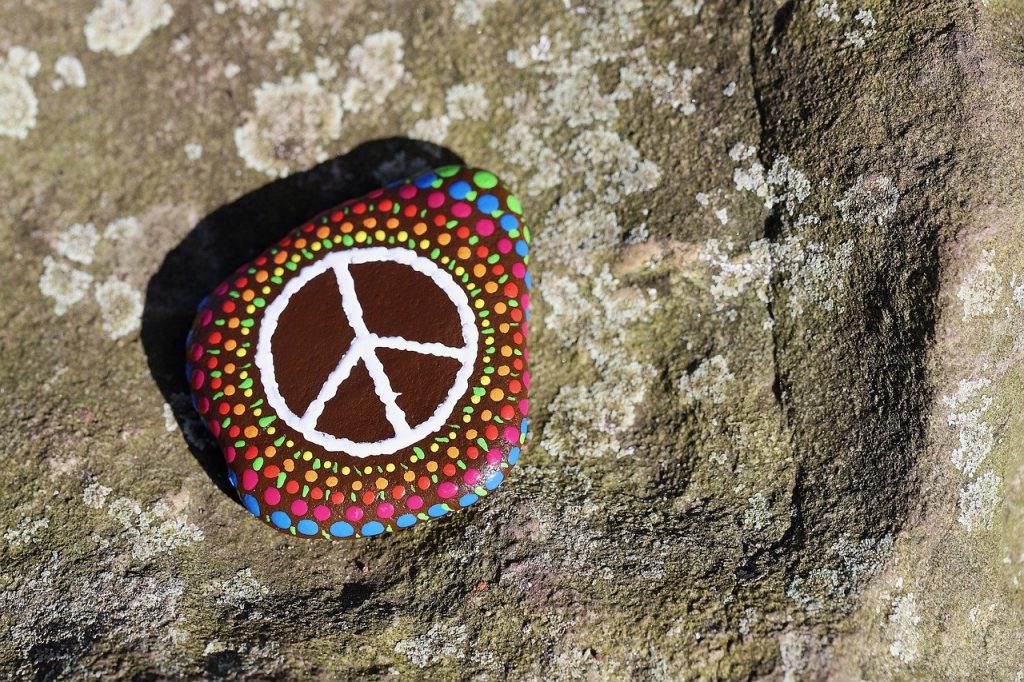
Painting stones has become one of the most interactive and versatile art activities because it is considered approachable, and possibilities are endless to create more. Be you a proficient artist or a complete newcomer in some kind of craftsmanship, it allows converting some ordinary rocks into bright works of art. The activity has been loved not only because of its simplicity but also because it invites artists to express themselves closer to nature, using materials from parks, beaches, or even from their back yard. These painted stones can serve multiple purposes: they may decorate gardens, or probably homes, or be given as presents because such an idea is touching and handmade.
The works of art on stone may range from the intricately designed mandalas, ultra-realistic animal portraits, to fancifully playful designs. However, right paint selection is very important to ensure work that lasts long. Stones, being different from conventional canvases, have a porous, rough texture that requires special attention regarding paint adhesion and durability over a long period. A little knowledge of which paints work best on stone surfaces will make quite a big difference in durability and look, especially when your painted stones are outdoor display pieces.
Types of Paints for Stone Painting
When selecting paint for stone surfaces, it’s essential to understand the specific characteristics of each type, as each offers unique advantages depending on the design, color vibrancy, durability, and setting where the painted stone will be displayed. Below, we explore various types of paint commonly used in stone painting, highlighting the pros and cons of each to help you choose the best option for your project.
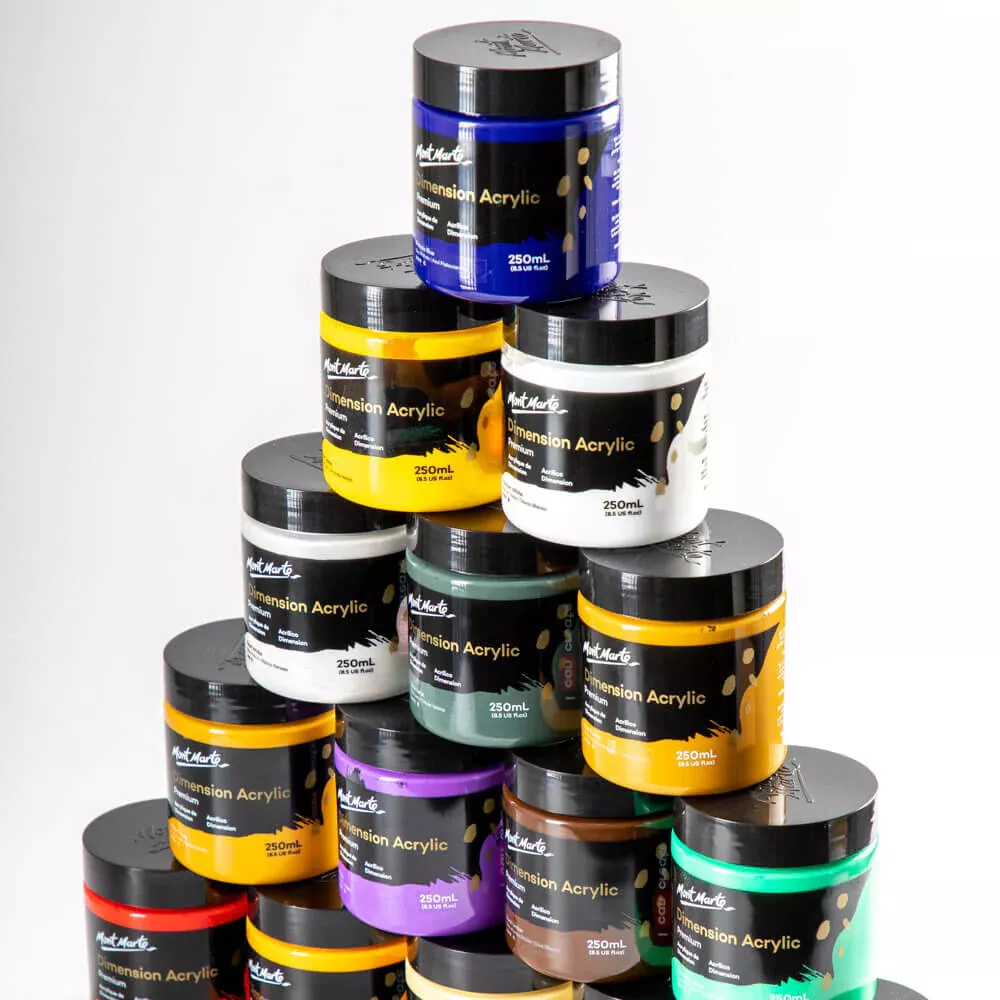
1. Acrylic Paint
Acrylic paint is a favorite for stone painting due to its versatility and ease of use. This paint adheres well to stone surfaces, even those with rough textures, making it perfect for beginners and seasoned artists alike. Acrylic paint is water-based, which allows it to dry quickly, minimizing the risk of smudging or mixing colors unintentionally. It is also water-resistant once dry, making it suitable for stones displayed both indoors and outdoors. Available in a vast array of colors, finishes, and even metallics, acrylics give artists ample creative freedom. However, while acrylics are fairly durable on stone, applying a sealant can enhance their longevity, especially for outdoor stones exposed to the elements.
2 Oil-Based Paint
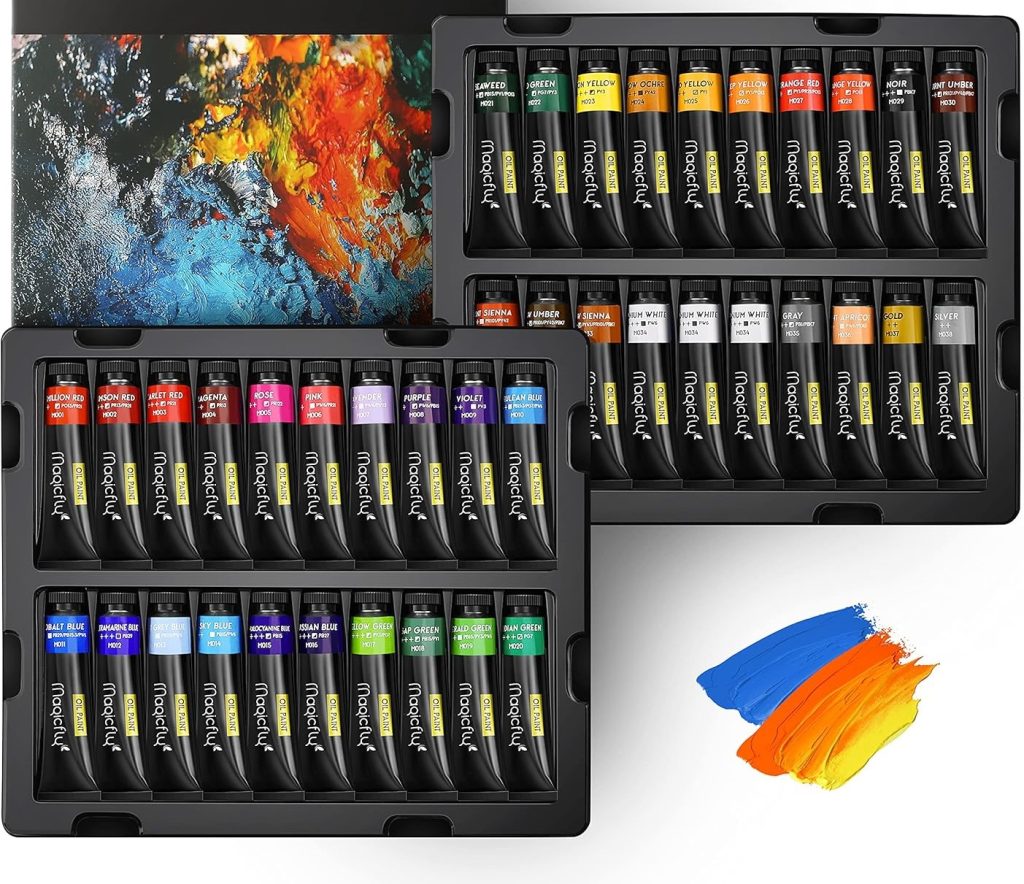
Oil-based paint offers an incredibly rich color saturation and provides a long-lasting, durable finish that resists fading, making it a great choice for stones intended for outdoor display. The thickness and texture of oil paint allow for more controlled blending and layering, which can result in stunningly vibrant designs. However, oil-based paints come with a few caveats: they require more drying time than acrylics, which can be inconvenient if you’re working on intricate, multi-layered designs. Additionally, oil paints may need an extra sealing step to enhance water resistance and protect the artwork from chipping or fading over time. Despite these considerations, oil paints are excellent for achieving vivid, durable results, particularly for outdoor stone art.
3.Gouache Paint
Gouache paint, often described as an opaque form of watercolor, is prized for its smooth, matte finish and ability to create fine details. It’s a water-based paint with a thicker consistency than watercolor, allowing for vibrant and opaque coverage on stones. Gouache can be reactivated with water, which makes blending and corrections easy, but this feature also means it’s less durable without a protective seal. Since gouache isn’t inherently water-resistant, stones painted with gouache are best displayed indoors, or they should be sealed thoroughly if placed outside. Gouache is ideal for those seeking a matte, soft look on decorative indoor stones, especially for delicate or detailed designs.
4 Enamel Paint
Enamel paint is well-known for its durability and high gloss finish, making it ideal for stones that will be handled frequently or used as decorative items. Enamel adheres well to smooth surfaces, so stones with a polished or even texture work best with this paint. It’s also resistant to scratches and chipping, making it a popular choice for small painted stones used as paperweights, decorative gifts, or display items. However, enamel paint’s high gloss may not suit all design styles, especially if a matte or natural look is preferred. Due to its robust finish, enamel-painted stones require less frequent touch-ups and are an excellent choice for small, polished stones used in indoor decor.
5 Spray Paint
Spray paint is ideal for those looking to cover larger stones quickly or achieve a consistent background color without brush strokes. Available in various finishes, spray paint can serve as a base layer for designs painted with other types of paint or even stand alone for simple, monochromatic looks. Its aerosol application makes it easy to cover irregular or large stones uniformly. While spray paint offers convenience, it may lack the precision needed for detailed artwork, making it less suitable for intricate designs unless used in combination with other paints. Additionally, spray paint is often not as durable as other types of paint on stone surfaces, so it may require a protective sealant to enhance its longevity, particularly for outdoor use.
Why Acrylic Paint Is Best for Stone Art?
Acrylic paint is often recommended for stone painting for several reasons:
- Quick Drying: Acrylic paints dry faster than oils, allowing for multiple layers and detailed work without long waiting times.
- Water Resistance: Acrylic is naturally resistant to water when dry, making it suitable for outdoor projects.
- Color Vibrancy: The colors remain vibrant after drying, and they come in various finishes, from matte to glossy.
- Layering Flexibility: You can easily layer acrylic paint without blending, perfect for painting intricate designs on small stones.
If you’re a beginner or working on a detailed project, acrylic paint provides the best combination of durability, ease of use, and vibrant results.
Step-by-Step Guide to Painting on Stones
Before diving into painting, preparing the stone surface is essential to achieve a smooth, long-lasting finish. Proper preparation not only enhances the vibrancy and durability of the paint but also protects your artwork from wear over time. Here’s a step-by-step guide to priming, painting, and sealing your stone for the best results.
Cleaning the Stone Surface
Start by cleaning the stone thoroughly to remove any dirt, dust, or residue that could interfere with paint adhesion. Use a mild soap and water solution, and scrub the surface gently with a brush. For more porous stones, rinse well and let them dry completely. This cleaning step is essential as it ensures that the paint will bond effectively to the stone, helping your design remain vibrant and intact over time.
Priming the Stone
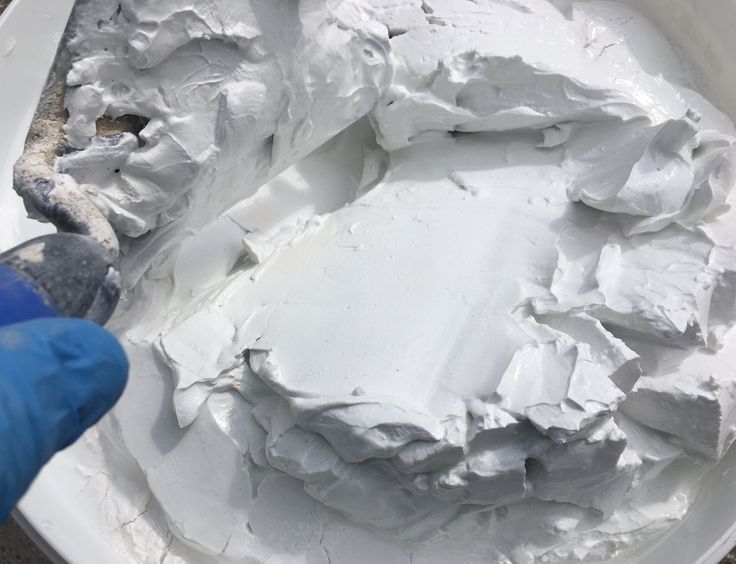
Priming the stone surface is an important step, especially for porous or rough stones. A primer acts as a base coat, helping paint adhere evenly while reducing the amount of paint absorbed by the stone. Here’s why priming is essential:
- Enhanced Adhesion: Priming allows the paint to adhere more effectively to the stone surface, reducing the chance of flaking or peeling over time.
- Smoother Finish: Applying a primer helps create a smoother surface, which is especially beneficial when working on stones with uneven textures. It also helps the paint appear more even, giving your artwork a polished look.
- Vibrant Colors: Priming can enhance the vibrancy of your paint, allowing colors to appear brighter and more consistent.
Acrylic gesso or a basic stone primer is commonly used for this purpose. Simply apply a thin coat, let it dry completely, and you’ll have a solid foundation for your paint.
Applying the Paint
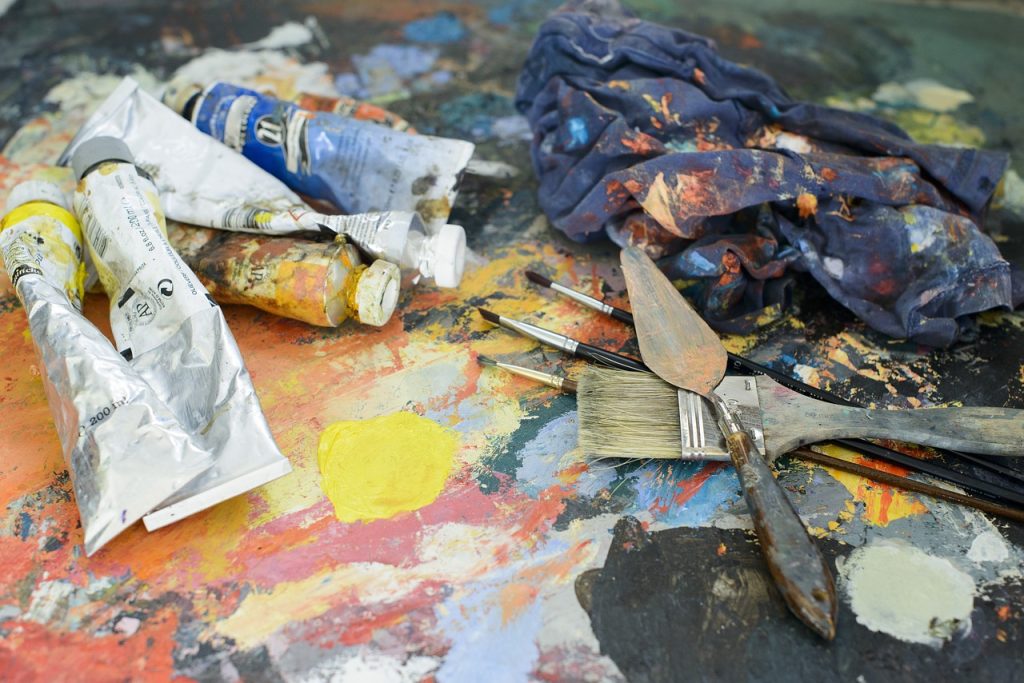
Once your stone is cleaned and primed, you’re ready to paint. Use your preferred type of paint—acrylic, oil-based, or enamel—depending on the desired finish and durability. For acrylic paints, which are often recommended, work in thin, even layers, allowing each layer to dry before adding the next. This technique helps prevent smudging and enables you to build up colors gradually for a more detailed look.
For complex designs, using fine brushes or markers specially made for stone or acrylic surfaces can enhance precision and control. Consider experimenting with different tools to achieve effects such as blending, shading, or fine linework.
Sealing for Protection and Durability
After the paint has dried fully, sealing your artwork is a critical step, especially if the stone will be exposed to the elements. A sealant serves as a protective barrier, shielding your design from moisture, UV rays, and physical wear.
- Choosing the Right Sealant: For outdoor stones, opt for a clear, weather-resistant sealer that offers UV protection. This will help maintain the colors of your artwork and prevent fading from sun exposure.
- Application Tips: Apply the sealant in light, even coats, allowing each layer to dry before adding another. A spray sealer can be convenient for even application on uneven surfaces, while a brush-on sealer may offer more control for intricate designs.
- Finish Options: Sealants come in matte, satin, and glossy finishes, so you can choose one that complements the style of your artwork. A matte finish provides a subtle look, while a glossy sealant can intensify the colors, making them pop.
With proper cleaning, priming, painting, and sealing, your stone art will be protected and ready to withstand various conditions. This process ensures that your artwork remains vibrant, durable, and visually stunning for years, whether it’s displayed indoors or outdoors.
Tips for Long-Lasting Stone Paintings
Creating a stone painting that withstands time and the elements requires attention to detail and proper finishing techniques. Here are some tips to ensure your artwork lasts:
- Avoid Watercolors: Watercolors can be tricky on stone as they lack durability, even with a sealant. Stick to acrylics or oils.
- Clean Stones Thoroughly: Removing dirt, oil, or dust helps the paint adhere better, resulting in a smoother finish.
- Prime for Porous Surfaces: Stones with rough or uneven surfaces benefit significantly from primer, which creates a uniform surface for painting.
- Seal Multiple Layers: If your stone art will be displayed outdoors, apply two or more layers of sealant to protect it from moisture and sunlight.
- Store Indoors During Harsh Weather: While sealing helps, extreme weather conditions can still wear down your stone art over time.
While you can technically use wall paint on stones, it’s not ideal, as it lacks the durability and vibrant colors of acrylic or oil paints. Wall paint may peel or fade over time, especially if used outdoors.
Acrylic paints typically dry within minutes to an hour. Oil paints can take 12-24 hours to dry completely. Always allow painted stones to dry fully before applying sealant.
es, with the right paint (acrylic or oil) and a quality sealant, painted stones can be displayed outdoors. However, consider storing them indoors during extreme weather for maximum longevity.
Use fine-tipped brushes or paint pens for intricate details. Acrylic paint pens are especially useful for adding small, precise touches to your designs.