Free notes, numericals and MCQs
Civil engineering, made simple.
Clear notes, step-by-step solved numericals and exam-style MCQs for every core discipline. Written by a practising civil engineer.
Popular: Water-cement ratioLevellingBearing capacityTransition curve
0posts & notes
0practice MCQs
0subjects
Three ways to learn
Read the concept, see it solved, then test yourself.
Browse by discipline
Every discipline brings its notes, numericals and MCQs together.
Water ResourcesFluid mechanics, hydraulics, irrigation · 669 posts
Engineering MaterialsCement, concrete, bricks, steel · 1233 posts
SurveyingLevelling, curves, instruments · 533 posts
GeotechnicalSoil mechanics and foundations · 496 posts
StructuresAnalysis, RCC and steel design · 457 posts
Civil TechSoftware and digital tools · 18 posts
GeologyRocks, minerals, site exploration · 11 posts
TransportationHighways, pavements, traffic · 11 posts
Latest notes & numericals
All articles →
ArticleEarned Value Management (EVM) in Construction Projects: Complete 2026 GuideCivil Tech · 12 min read

ArticlePrimavera P6 vs Microsoft Project 2026: Which Construction Scheduling Software Should You Choose?Civil Tech · 8 min read

ArticleBest Flood Modeling Software 2026: HEC-RAS vs MIKE FLOOD vs InfoWorks ICM vs EPA SWMM vs TUFLOWCivil Tech · 9 min read

ArticleHEC-HMS Tutorial 2026: Complete Guide to Hydrologic ModelingCivil Tech · 12 min read
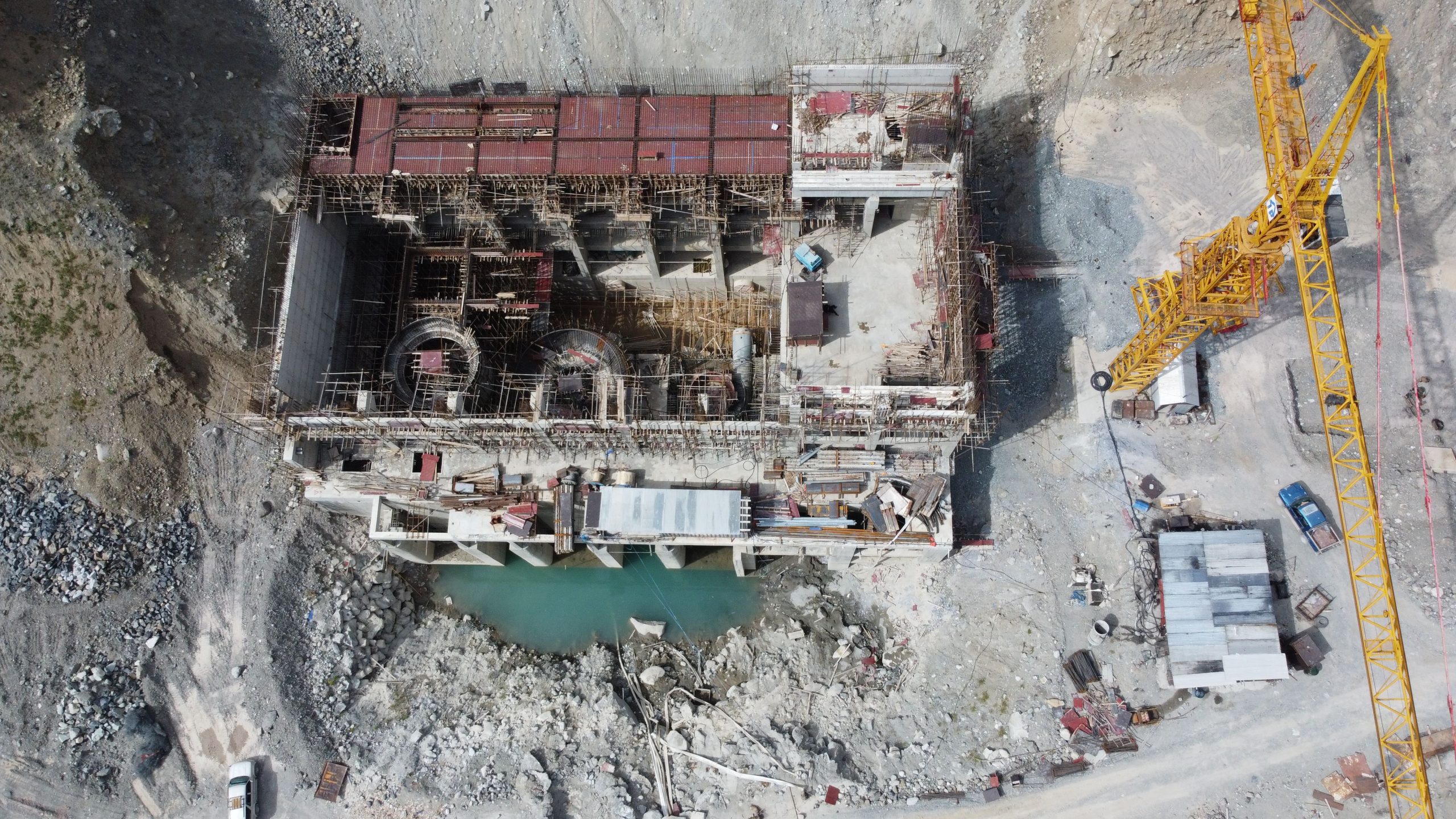
ArticleBest Drone Survey Software for Civil Engineers 2026: Pix4D, DroneDeploy, Propeller & MoreCivil Tech · 18 min read

ArticleAutoCAD Civil 3D 2026: New Features, Workflow Changes & What Engineers Need to KnowCivil Tech · 15 min read
Question of the day
Test yourself in 10 seconds
One question a day keeps exam stress away. Pick an answer to check it.
As per IS 3812 (Part 1): 2013, which ash is prepared from fly ash or bottom ash conveyed in dry form and deposited dry?
Answer: A. Mound ash
IS 3812 (Part 1): 2013 defines Mound ash as ash prepared from fly ash, bottom ash, or a combination of both, in any proportion, that is transported and deposited strictly in the dry state. This distinguishes it from Pond ash, which is transported in slurry form and deposited wet. Mound ash is typically used for engineered fill or land reclamation.