Table of Contents
ToggleIntroduction to Preservation of Timber
In the world of construction and woodworking, timber stands as one of humanity’s oldest and most versatile building materials. However, its organic nature makes it susceptible to deterioration over time. Enter Preservation of Timber – a critical process that significantly extends wood’s lifespan through chemical treatment. Whether you’re a construction professional, architect, or DIY enthusiast, understanding timber preservation is crucial for ensuring the longevity of wooden structures.
Preservation of Timber is the scientific process of treating wood with specialized chemicals to enhance its durability and resist deterioration. This essential treatment helps protect wooden structures from various threats, including insect infestation, fungal growth, and environmental damage, ultimately extending the material’s service life significantly.
Why Preservation of Timber Matters
The significance of proper preservation of timber extends beyond mere maintenance. Consider these key aspects:
- Economic Impact: Well-preserved timber reduces long-term replacement and maintenance costs, offering substantial savings over a building’s lifetime.
- Structural Integrity: Protected wood maintains its strength and stability, ensuring safer construction and longer-lasting buildings.
- Sustainability: By extending wood’s service life, preservation techniques contribute to environmental conservation by reducing the demand for new timber.
- Performance Enhancement: Treated timber often performs better than untreated wood, particularly in challenging environments like high-moisture areas or outdoor settings.
Understanding the Basics of Preservation of Timber
Before diving into specific preservation of timber methods, it’s essential to recognize that timber preservation is both a science and an art. The process requires understanding:
- Wood’s natural properties and vulnerabilities
- Environmental factors affecting timber degradation
- Chemical interactions between wood and preservatives
- Application techniques for optimal results
This knowledge forms the foundation for successful timber preservation, ensuring that every treatment decision contributes to the wood’s longevity and performance.
Requirements for Effective Preservation of Timber
In the complex world of timber protection, not all preservatives are created equal. The effectiveness of timber preservation hinges significantly on selecting the right preservative that meets specific quality standards and performance criteria.
1. Safety and Environmental Considerations
Modern timber preservation must balance effectiveness with safety. The ideal preservative should:
- User Safety: Feature non-toxic properties that ensure safety during application and subsequent use
- Environmental Impact: Maintain eco-friendly characteristics while delivering effective protection
- Odor Control: Be free from persistent unpleasant odors that could affect indoor air quality
- Fire Safety: Demonstrate non-inflammable properties to enhance overall building safety
2. Technical Performance Criteria
High-quality preservatives must exhibit superior technical capabilities:
- Penetration Power: Demonstrate excellent ability to penetrate deep into wood fibers
- Material Compatibility: Show no corrosive effects on metal fasteners or fittings
- Finishing Flexibility: Allow for subsequent application of paints, varnishes, and other finishes
- Water Resistance: Maintain effectiveness even when exposed to moisture
- Environmental Durability: Resist degradation from heat, light, and other environmental factors
3. Practical and Economic Factors
The practical aspects of preservative selection include:
- Cost-Effectiveness: Offer reasonable pricing while delivering reliable protection
- Market Availability: Be readily available through standard supply chains
- Structural Integrity: Preserve the wood’s natural strength without causing warping
- Long-Term Performance: Maintain protective properties throughout the expected service life
4. Impact on Wood Properties
Quality preservatives should enhance, not compromise, timber’s natural characteristics:
- Maintain the wood’s inherent structural strength
- Prevent unwanted dimensional changes
- Support the timber’s natural aesthetic qualities
- Enable normal aging without premature deterioration
Think You Know Timber?
Put your expertise to the test! Challenge yourself with our Multiple Choice Questions on timber and wood products.
Types of Timber Preservatives
1. Oil-Based Preservatives
Oil-based preservatives, primarily featuring coal tar creosote, represent one of the most traditional yet effective protection methods.
| Category | Details |
|---|---|
| Key Features |
|
| Primary Applications |
|
| Advantages |
|

2. Organic Solvent-Based Preservatives
These sophisticated preservatives utilize non-aqueous solvents combined with powerful protective compounds.
| Category | Details |
|---|---|
| Key Components |
|
| Ideal Uses |
|
| Benefits |
|

3. Water-Based Preservatives
Water-based preservatives represent the most environmentally friendly option, combining effectiveness with sustainability.
| Category | Details |
|---|---|
| Common Formulations |
|
| Optimal Applications |
|
| Environmental Benefits |
|
Timber Preservation Treatment
Understanding the various treatment methods is crucial for achieving optimal timber protection. Each technique offers unique advantages and is suited to specific applications. Let’s explore these methods in detail.
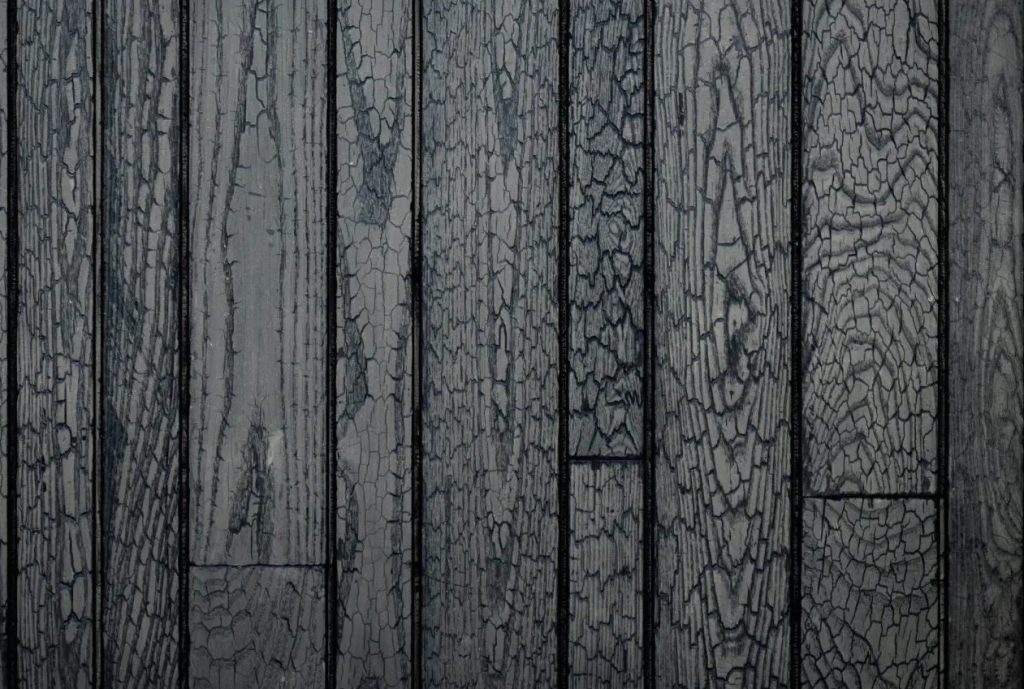
1. Charring Method: Traditional Protection
The charring technique represents one of the oldest yet effective preservation methods.
| Aspect | Details |
|---|---|
| Process Overview | The charring technique represents one of the oldest yet effective preservation methods. |
| Implementation Steps |
|
| Key Benefits |
|
2. Tarring Treatment: Heavy-Duty Protection
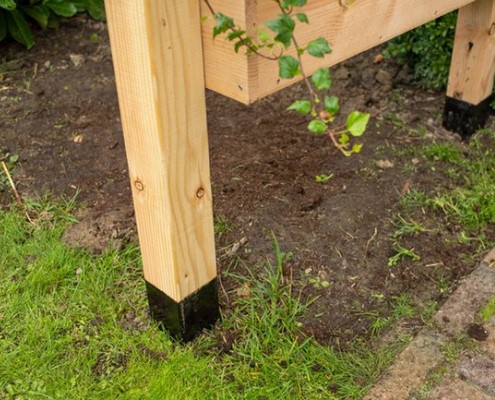
This robust treatment method provides excellent protection for exposed timber elements.
| Category | Details |
|---|---|
| Common Applications |
|
| Treatment Details |
|
3. Creosoting: Professional-Grade Protection
| Category | Details |
|---|---|
| Technical Specifications |
|
| Process Steps |
|
4. Direct Preservative Applications
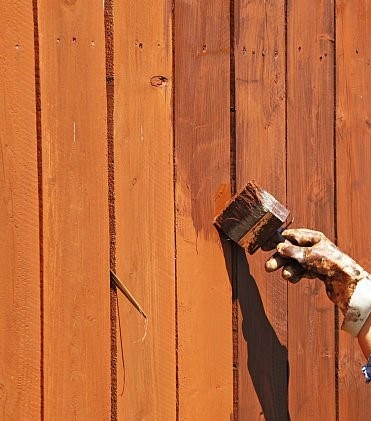
| Category | Details |
|---|---|
| A. Surface Application Method |
|
| B. Soaking Treatment |
|
| C. Hot and Cold Treatment |
|
| D. Pressure and Vacuum Treatment |
Full Cell Process:
|
5. Diffusion Treatment: Green Timber Solution
| Category | Details |
|---|---|
| Requirements |
|
| Timeline |
|
Best Practices and Maintenance in Preservation of Timber
Successful preservation of timber relies heavily on proper implementation and ongoing maintenance. The journey begins long before the first application of preservatives and continues throughout the wood’s service life. Understanding these practices ensures optimal protection and longevity of treated timber
1. Pre-Treatment Assessment
Before any preservation work begins, careful evaluation of the timber’s condition is essential. Each piece of wood must undergo thorough inspection for moisture content, which ideally should fall between 12-15%. This assessment includes checking for existing damage, previous treatments, and the overall condition of the wood. Understanding the timber’s end-use and environmental exposure helps determine the most appropriate treatment approach.
2. Environmental Considerations
The success of preservation treatments heavily depends on environmental conditions during application. Optimal conditions include temperatures between 15-25°C and relative humidity of 40-60%. Adequate ventilation plays a crucial role, particularly when working with chemical preservatives. These conditions not only affect the initial treatment’s success but also influence the long-term effectiveness of the preservation.
3. Quality Control Measures
Professional preservation demands rigorous quality control throughout the process. Regular testing of penetration depth ensures the preservative reaches the required levels within the wood structure. Retention level checks confirm that sufficient preservative remains in the timber. Proper documentation of all treatments and tests provides valuable reference for future maintenance.
4. Regular Maintenance Protocol
Maintaining preserved timber requires a structured approach to inspection and care. Quarterly checks should focus on surface conditions, moisture levels, and early signs of decay or insect infestation. More comprehensive annual inspections delve deeper, examining critical areas and evaluating the need for retreatment. This systematic approach helps identify potential issues before they become serious problems.
5. Dealing with Common Issues
Even well-preserved timber can face challenges over time. Moisture-related problems often top the list of concerns, requiring proper drainage systems and adequate ventilation. Early detection of decay or insect activity allows for prompt intervention. Regular sealing maintenance and environmental control measures help prevent many common issues before they develop.
Success in preservation of timber requires a delicate balance of technical knowledge, practical experience, and forward-thinking approaches. Whether you’re a construction professional, property owner, or facility manager, understanding these principles helps ensure the longevity and performance of wooden structures. By following proper preservation and maintenance practices, we not only protect our timber investments but also contribute to more sustainable building practices for future generations.
Remember, effective timber preservation isn’t just about protecting wood—it’s about preserving possibilities for the future of construction and design.
Frequently Asked Questions
Preservation of timber is the scientific process of treating wood with specialized chemicals to enhance its durability and resist deterioration. It involves applying protective substances to prevent damage from insects, fungi, moisture, and environmental factors.
- Uses:
- Construction materials
- Railway sleepers
- Utility poles
- Marine construction
- Outdoor furniture
- Architectural elements
Preservation Methods:
- Charring
- Tarring
- Creosoting
- Pressure treatment
- Surface application
- Hot and cold treatment
Preservation of timber is necessary due to following reasons:
- Extends wood’s service life
- Reduces maintenance costs
- Maintains structural integrity
- Protects against decay and insects
- Improves performance in harsh environments
- Contributes to sustainability by reducing new timber demand
Timber preservation means:
- Protecting wood from biological decay
- Enhancing durability through chemical treatment
- Extending service life through various preservation methods
- Creating barriers against moisture and insects
- Maintaining wood’s structural properties over time